Materials for Internal Components
Sep 13, 2026
Materials used for internal components generally fall into two main categories: metallic and non-metallic. The choice of material depends on the specific operating conditions and the functional requirements of the component.
Common Metallic Materials
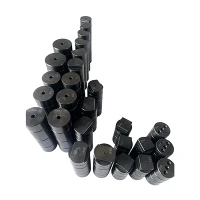
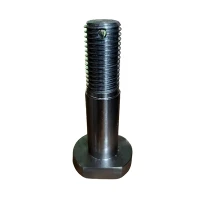
Alloy Steel: Widely used for core load-bearing components-such as internal cylinder parts and transmission gears-due to its high strength and excellent impact resistance. It is well-suited for heavy-duty applications involving frequent start-stop cycles.
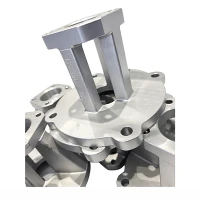
Aluminum Alloy: With a density of approximately 2.81 g/cm³, it offers significant weight-reduction advantages and good thermal conductivity. It is the preferred material for internal frames in consumer electronics and aerospace equipment.
Stainless Steel: Grades such as 304 and 316 provide strong corrosion resistance. In high-end applications, these may be paired with nano-ceramic coatings to meet the demands of clean environments or highly corrosive operating conditions.
Copper Alloy: Materials like aluminum bronze and brass offer excellent electrical and thermal conductivity. Copper-chromium-zirconium (CuCrZr) alloys, after aging treatment, can achieve an electrical conductivity of up to 85% IACS; they are frequently used for electrode arms and conductive connectors.
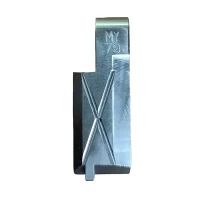
Wear-Resistant Steel: Materials such as NM400 or cast steel (e.g., ZG310-570) feature high surface hardness after quenching, making them ideal for components subject to severe abrasive wear, such as excavator bucket teeth or track pads.
Common Non-Metallic Materials
ABS Plastic: Cost-effective and easy to process via injection molding, this material offers adequate impact resistance. It is commonly used for internal protective housings in standard indoor machinery and for lightweight, complex-shaped components.
Polycarbonate (PC): Known for high impact resistance, UV resistance, and a broad operating temperature range, it is suitable for internal components used in outdoor environments subject to high-impact forces.
TPEE Elastomer: Combining the strength of engineering plastics with the elasticity of rubber, this material maintains dimensional stability even at 150°C. It is heat-resistant and age-resistant, making it ideal for precision electronic components such as connectors and diaphragms. Glass fiber-reinforced PA66: The addition of 30% glass fiber significantly enhances its strength. It meets the UL94 V-0 flame retardancy standard, offers resistance to organic acid corrosion, and is well-suited for applications such as material distributors in automated feeding lines.