Maintenance And Care Of Pins
Oct 20, 2026
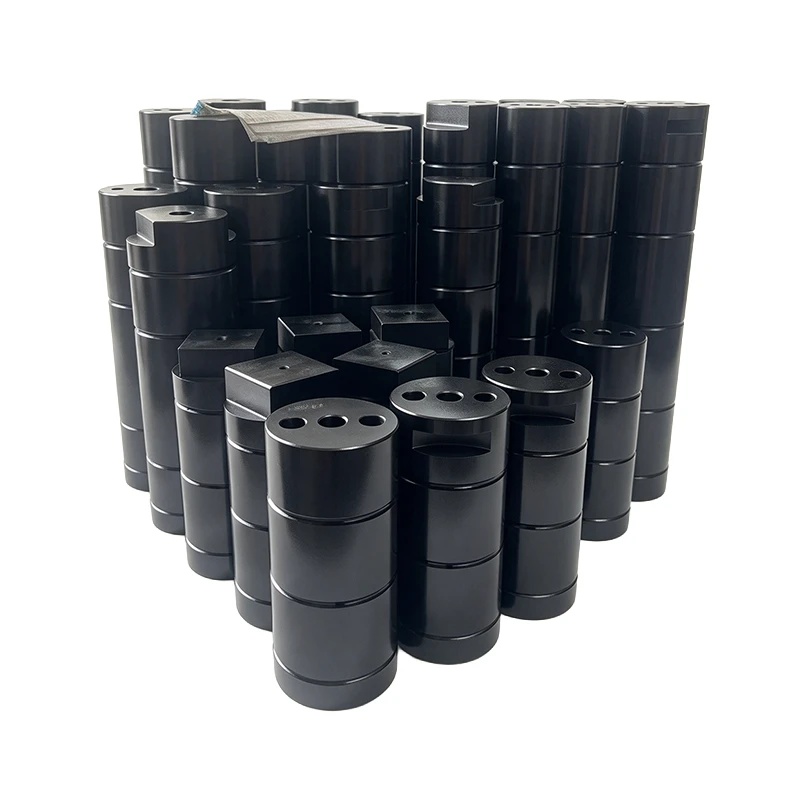
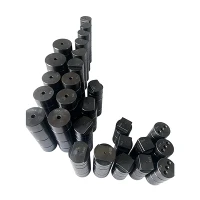
Effective maintenance and care of pins-centered on cleaning, lubrication, and regular inspection-can significantly reduce wear rates, extend service life, and prevent unexpected breakdowns.
Cleaning and Maintenance Essentials
Before each maintenance session, use a soft-bristled brush, compressed air, or a specialized cleaning agent to thoroughly remove dirt, dust, old grease, and oxidation layers from the pin surfaces.
After operations, promptly clear away any accumulated dust and wipe the pins dry to prevent rust caused by moisture.
For pins that have been idle for an extended period, clean off any surface dust and metal debris before applying anti-rust treatment.
Lubrication Standards
Lubricant Selection: Use ISO VG 46–68 extreme-pressure gear oil for dry, ambient-temperature environments; for dusty or humid conditions, use an NLGI Grade 2 lithium-based grease. Never mix different types of lubricants.
Lubrication Intervals: Lubricate every 50 hours for harsh environments (such as mining sites), every 80–100 hours for standard construction sites, and every 100–120 hours for precision municipal operations.
Application Procedure: Use a grease gun to apply lubricant slowly and steadily until the old grease is pushed out from the gaps, ensuring that all trapped air is expelled.
After lubrication, run the equipment for 3–5 minutes to check for abnormal vibrations or grease leakage, and to ensure the lubricant has evenly filled the mating clearances.
Regular Inspection and Troubleshooting
Inspect the pin assemblies daily before starting work, checking for signs of abnormal noise, looseness, or grease leakage.
Every 3 months, disassemble the components to check the mating clearances; if the clearance exceeds 1.5 times the original specification, adjust or replace the parts.
Carefully examine the pin surfaces for cracks, chips, or deformation. If any damage is detected, stop the equipment immediately and replace the damaged parts with genuine, certified components. Simultaneously inspect the dust boots and sealing rings at both ends of the pins; replace them promptly if they show signs of cracking or detachment to prevent dirt and grit from entering the friction surfaces and accelerating wear.