Structural Characteristics Of Pins
Oct 17, 2026
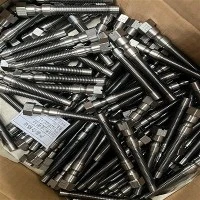
The core structural characteristic of a pin is its cylindrical body, combined with standardized end designs and locking mechanisms that ensure reliable articulation while balancing load-bearing capacity with ease of assembly and disassembly.
Basic Body Structure
The main shaft is typically a solid cylinder, serving as the primary load-bearing component; it is subjected primarily to shear forces and bearing pressure against the walls of the holes.
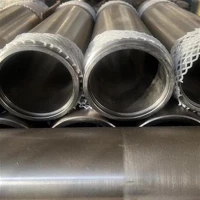
In weight-sensitive applications, a hollow cylindrical design may be used. This reduces weight by 30%–40% while maintaining equivalent shear strength; the hollow interior can also accommodate auxiliary shafts or crossbars to facilitate specialized mechanical functions.
The shaft is manufactured with high precision-featuring strict controls on straightness and cylindricity-to ensure an accurate fit within the mating holes, thereby minimizing fretting wear at the joint.
End Configurations
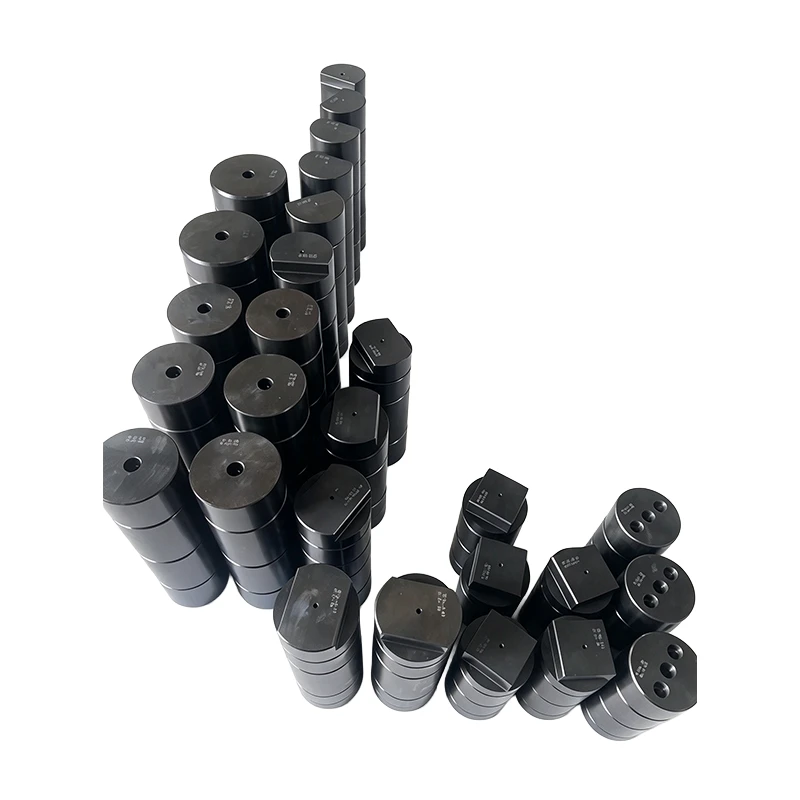
Type A pins feature a rounded head with no additional holes; they are designed for static, fixed connections and minimize the risk of scratching adjacent components.
Type B pins feature a flat-ended design with a pre-drilled hole for a cotter pin; this is the most widely used configuration in industrial applications.
For specialized operating conditions, some pins utilize a stepped design at both ends. Combined with treatments such as anti-carburizing and phosphating, this helps prevent cracking during press-riveting-making them suitable for demanding environments, such as drive chains in marine engines.
In standard designs, the head diameter is larger than the shaft diameter, providing axial positioning from one side and preventing the pin from sliding completely through the hole.